
Custom Injection Mold Tooling Services
Custom injection molds engineered for consistent part quality, From design reviews to tooling trials, we help your product quickly move into mass production
- Mold cavity tolerance to ±0.02 mm
- Standard steel mold T1 in 30–50 days
- Free DFM review in 4 hours
Get a Precision Mold Quote in 24 Hours
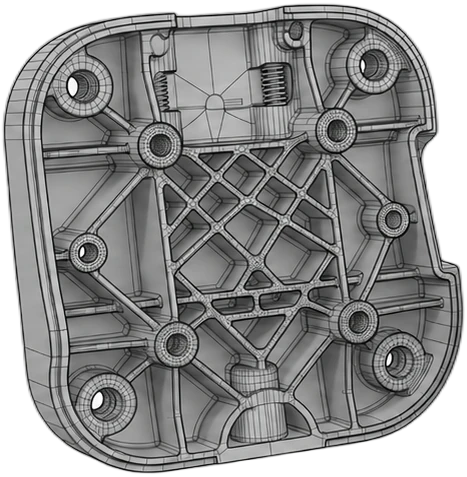
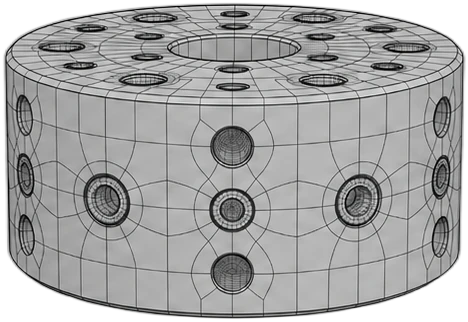
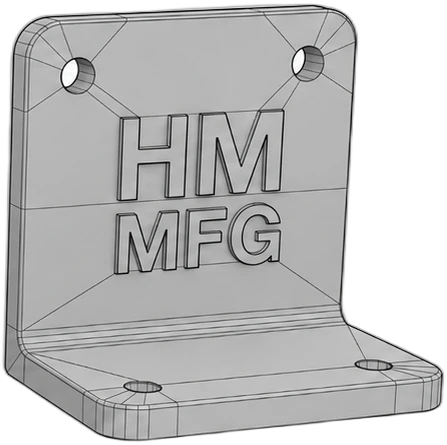
Get pricing for your custom injection mold
Your files are secure and confidential










HM Manufacturing has achieved an on-time delivery rate of up to 98% for more than 3,600 customers
Types of Injection Molds We Manufacture
Choosing the right injection mold is key to your production efficiency, product quality and cost. We provide professional mold solutions for different products and production needs
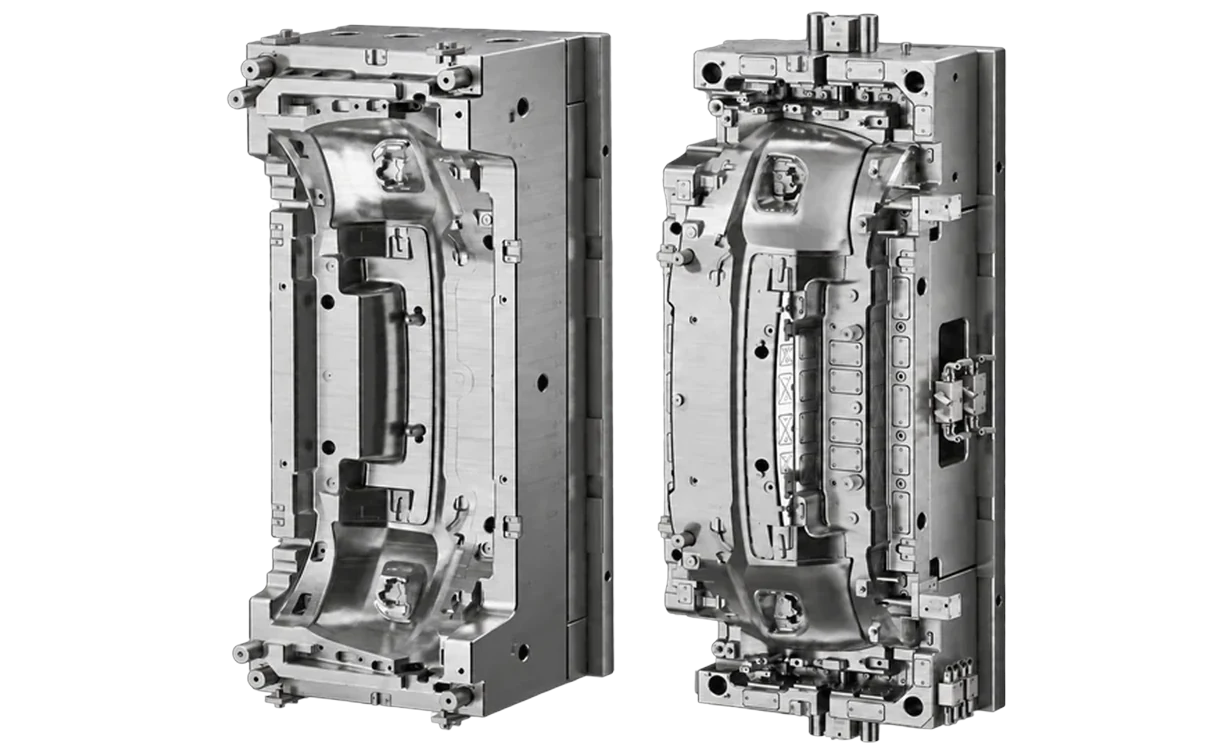
Single-Cavity Injection Molds
One cavity produces one part per molding cycle. Suitable for lower production volumes or parts that require a larger mold.
- Cavity Count
- 1
- Parts per Cycle
- 1
- Typical Applications
- Low-volume or large parts
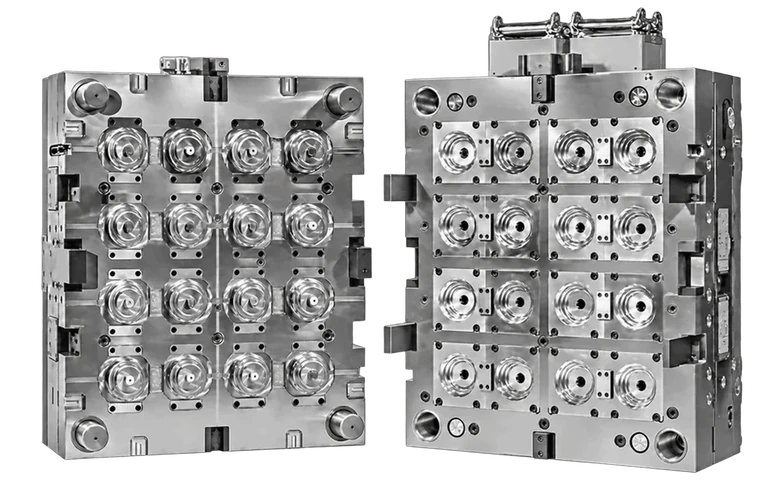
Multi-Cavity Injection Molds
Multiple cavities produce identical parts in each cycle. Suitable for higher production volumes where increased output helps offset tooling costs.
- Cavity Count
- 2 or more
- Parts per Cycle
- One per cavity
- Typical Applications
- High-volume production
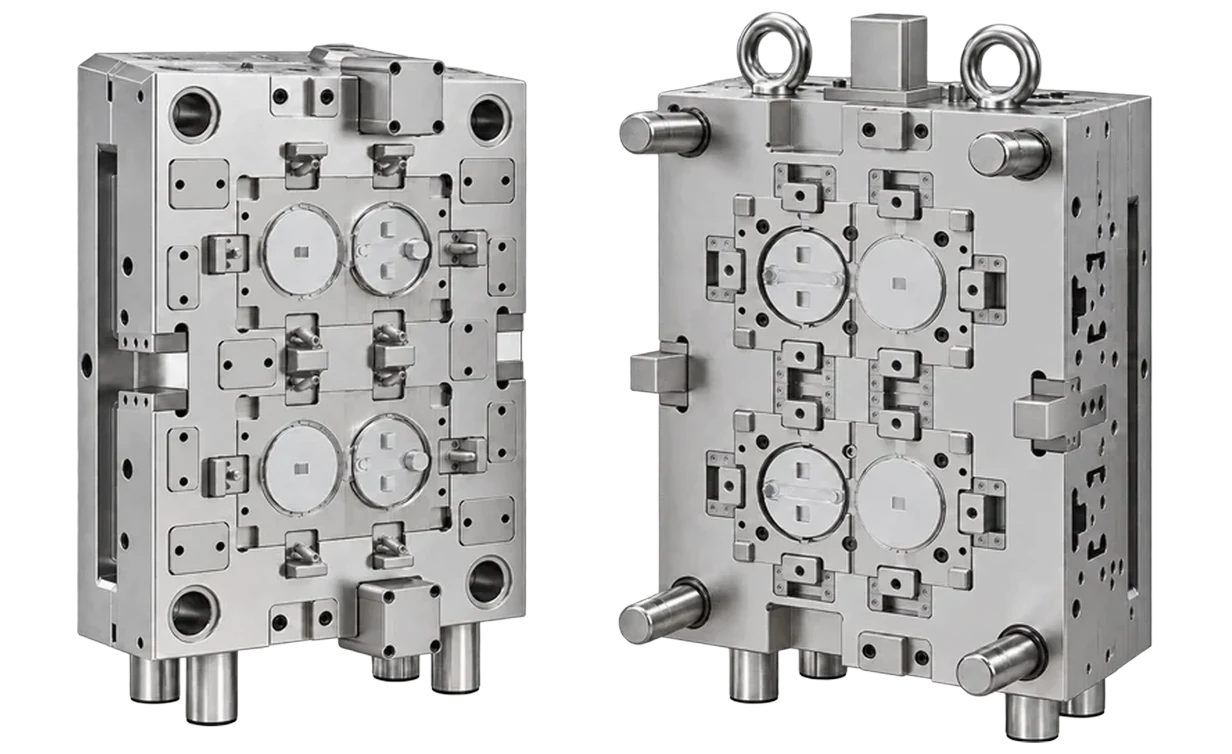
Two-Shot Injection Molds
Two sequential injections combine different materials or colors in one part. Common applications include soft-touch grips, integrated seals, and two-color components.
- Injection Sequence
- Two shots
- Materials / Colors
- 2
- Typical Applications
- Grips, seals, two-color parts
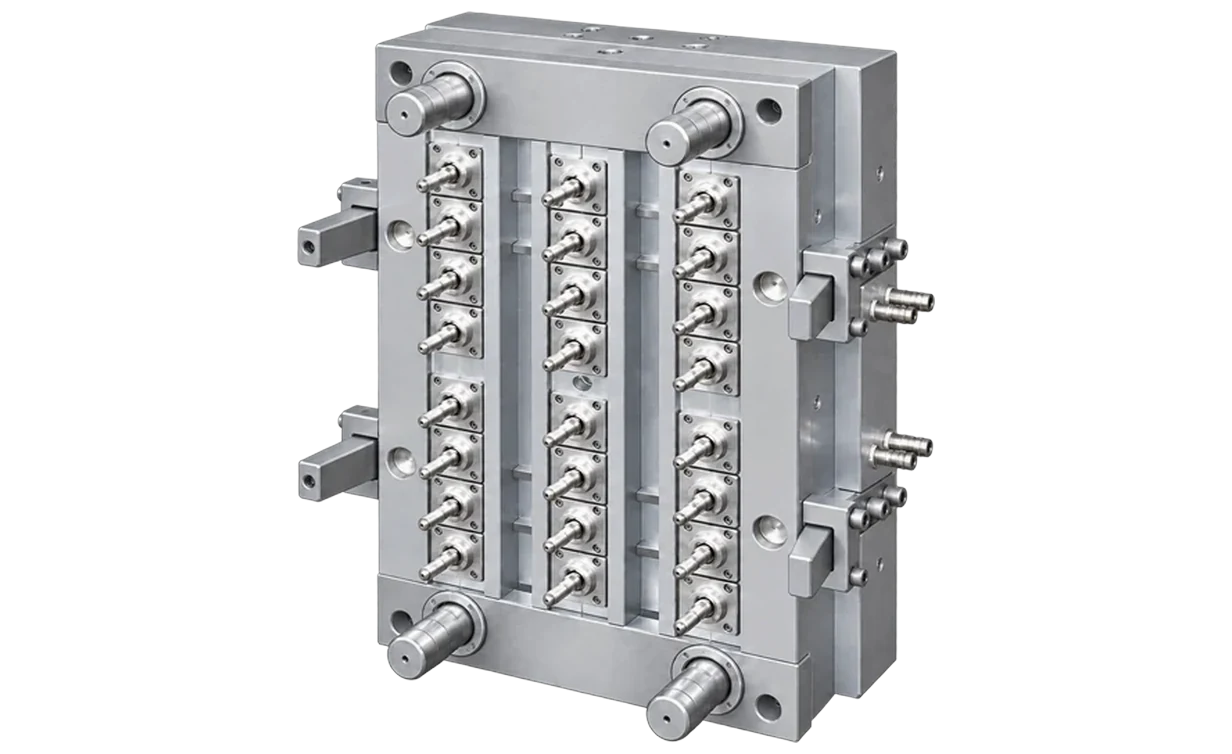
Hot Runner Injection Molds
Heated runners keep the resin molten between molding cycles, reducing solidified runner scrap during production.
- Runner System
- Hot runner
- Runner Heating
- Temperature-controlled
- Typical Applications
- High-volume production
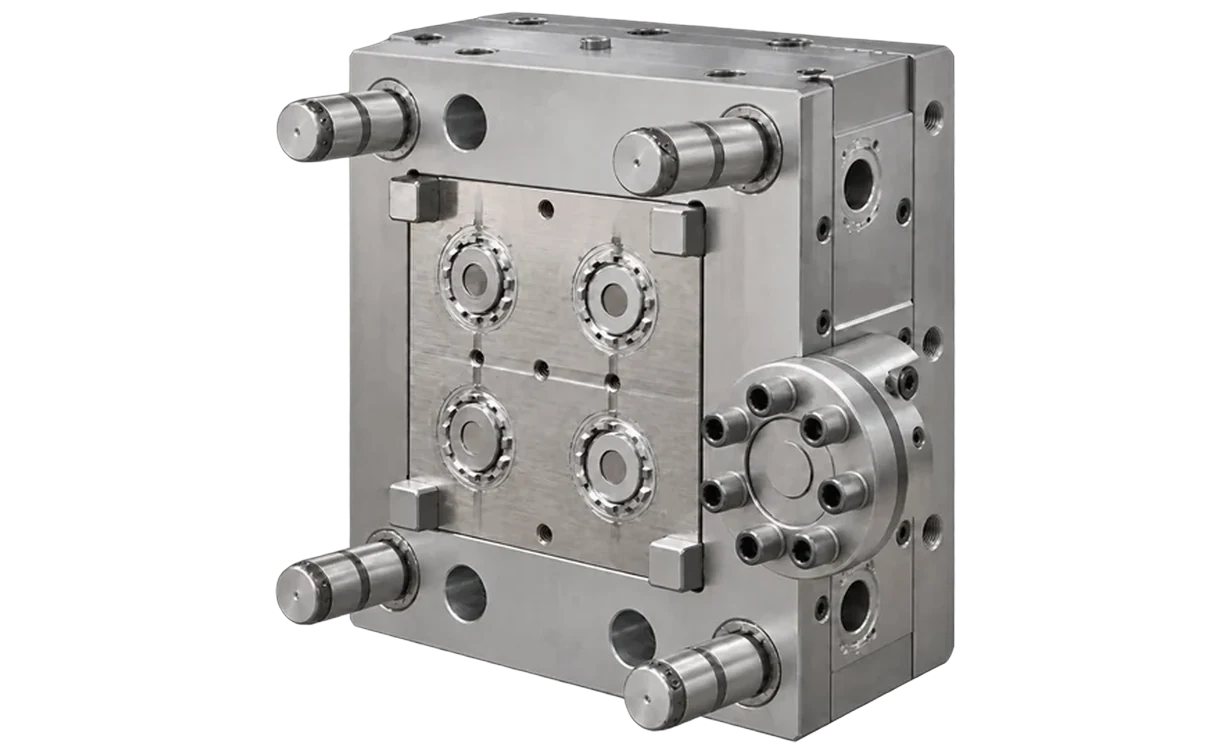
Unscrewing Injection Molds
A rotating threaded core releases internal threads before part ejection. Used for screw caps, threaded fittings, and similar components.
- Thread Type
- Internal
- Release Mechanism
- Automatic unscrewing
- Typical Applications
- Caps and threaded fittings
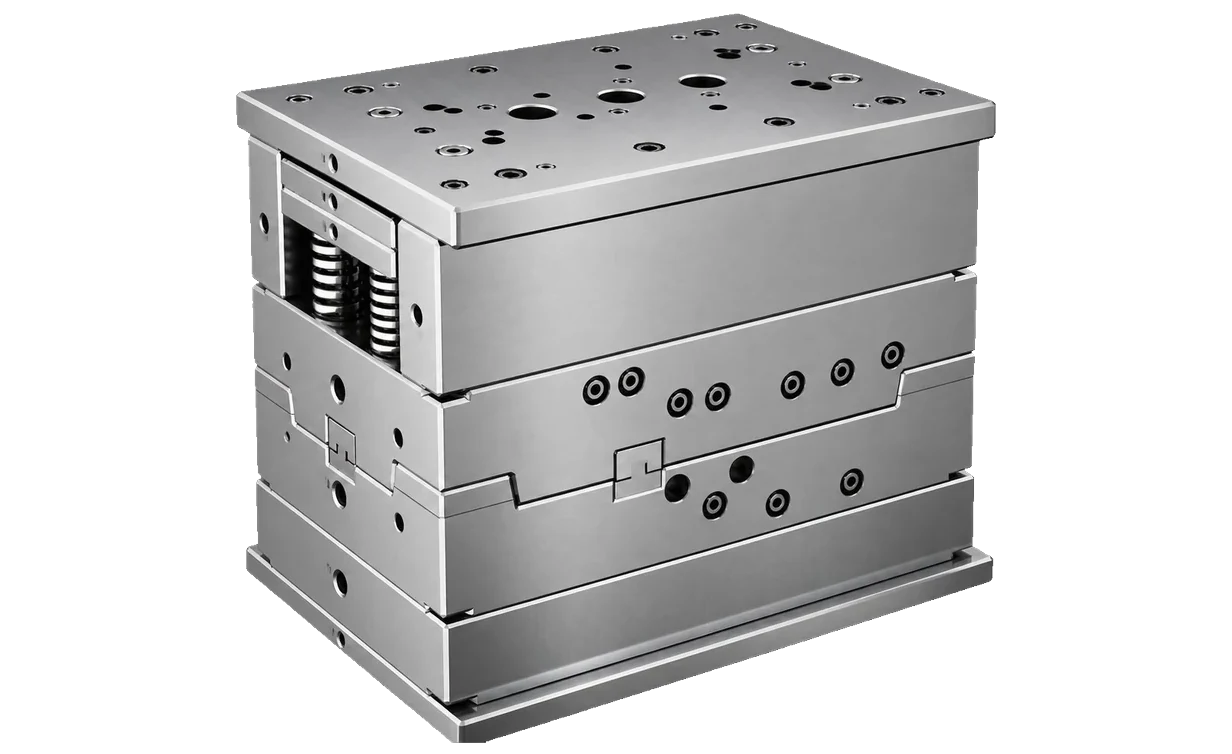
Get a Quote for Your Injection Mold
Send your part drawing, resin specification, and expected production quantity. We’ll review the requirements and prepare a mold proposal and quote.
- Part drawing
- Resin specification
- Production quantity
How Much Will Your Injection Mold Cost?
Turn your part requirements into an initial tooling estimate and plan your next step
Estimate Your Injection Mold Cost
Estimated tooling total
$—
One mold set, tooling only · USD
What this estimate includes
- Mold design, materials and manufacturing
- Two trials and T1 samples
- A CAD file or drawing is required for a firm quotation
Upload CAD files on our secure quote form
Budget estimate only. Final price follows CAD / DFM review. Excludes production parts, freight, duties, taxes and design changes after mold design approval
Which Materials Are Right for Your Injection Mold?
Compare tooling materials, steel grades and hot runner systems for your resin, surface finish and production volume.
Tooling Materials
Mold Steel Grades
Mold Components
Hot Runner Systems
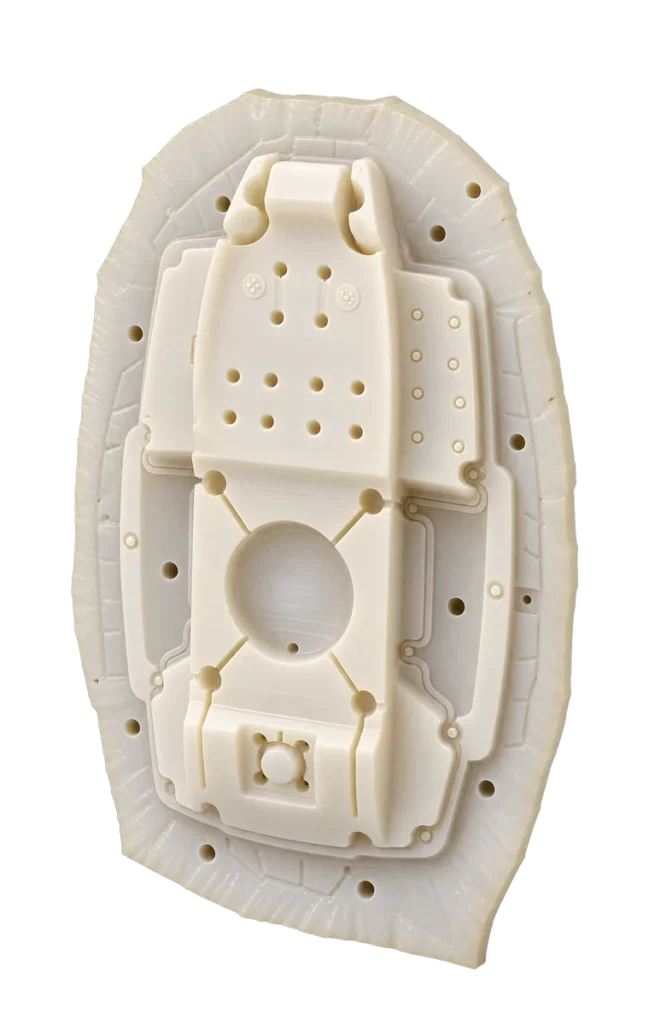
Silicone Tooling
Silicone molds for vacuum casting polyurethane prototypes and small batches.
A prototyping option before injection tooling. Mold life depends on the resin and part geometry.
Get Material Advice →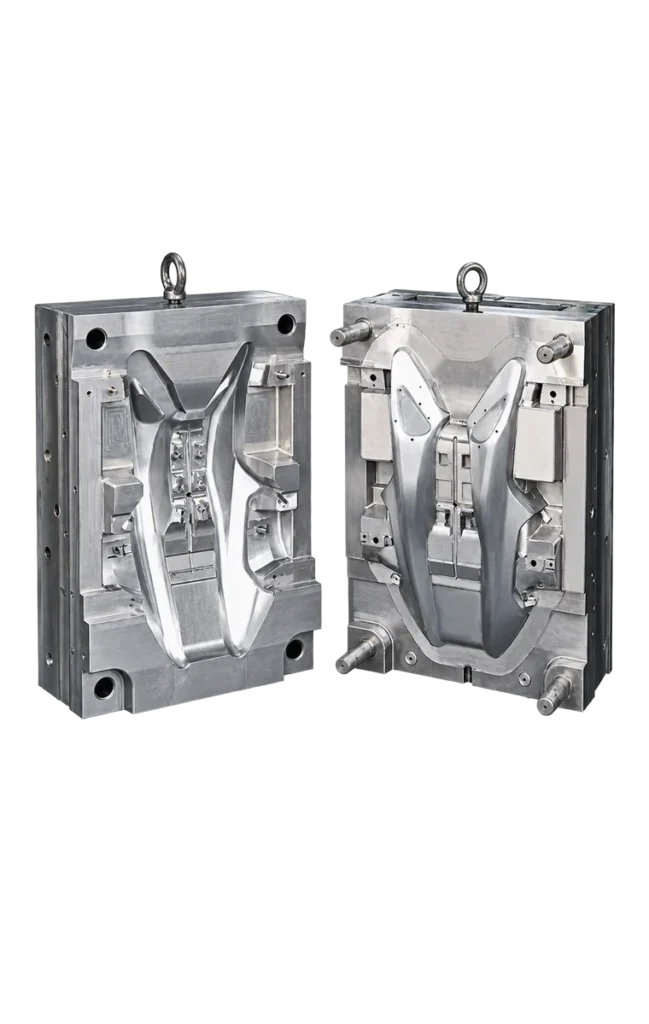
Aluminum Tooling
Aluminum injection molds for functional prototypes, trial runs and bridge production.
Suitability depends on resin abrasiveness, part geometry and total production volume.
Get Material Advice →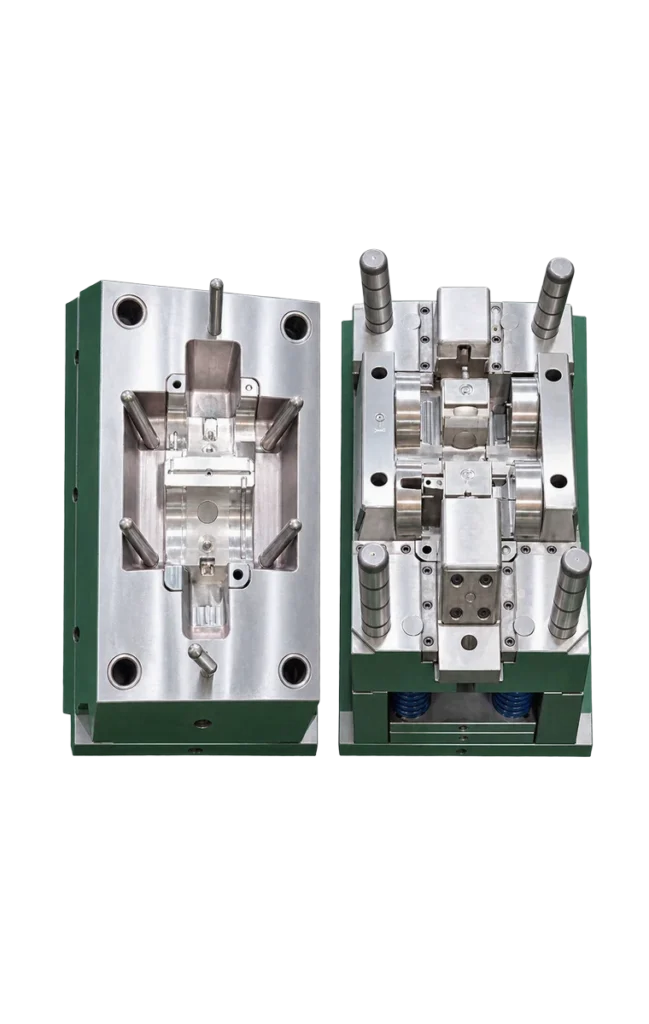
Steel Tooling
Steel injection molds for repeat production. The steel grade depends on the resin, surface finish and expected volume.
Steel grade, heat treatment and maintenance affect mold life.
Get Material Advice →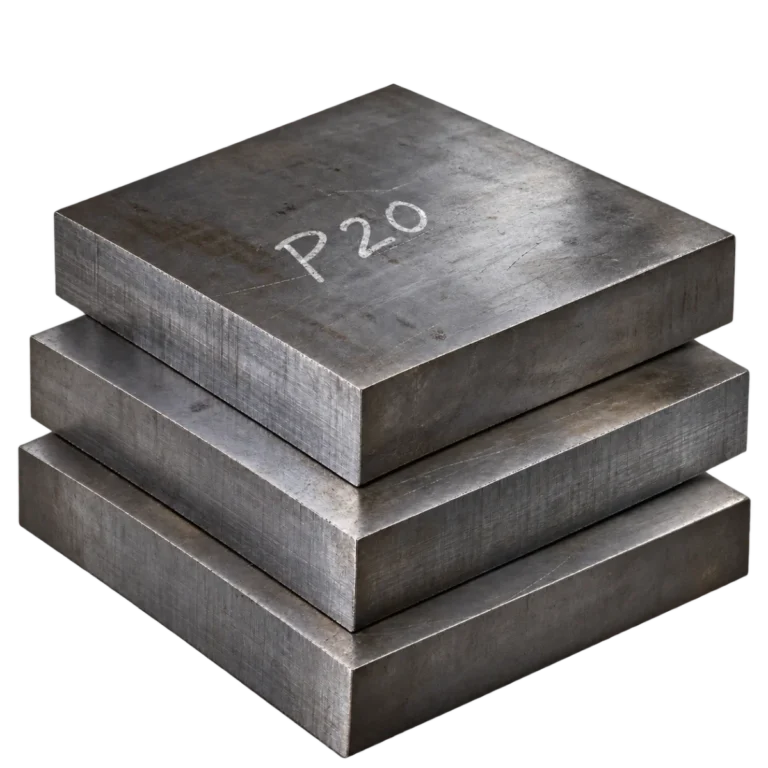
P20 Mold Steel
Pre-hardened steel for general-purpose plastic injection molds.
Review abrasive fillers, corrosion and surface requirements before selecting the grade.
Get Material Advice →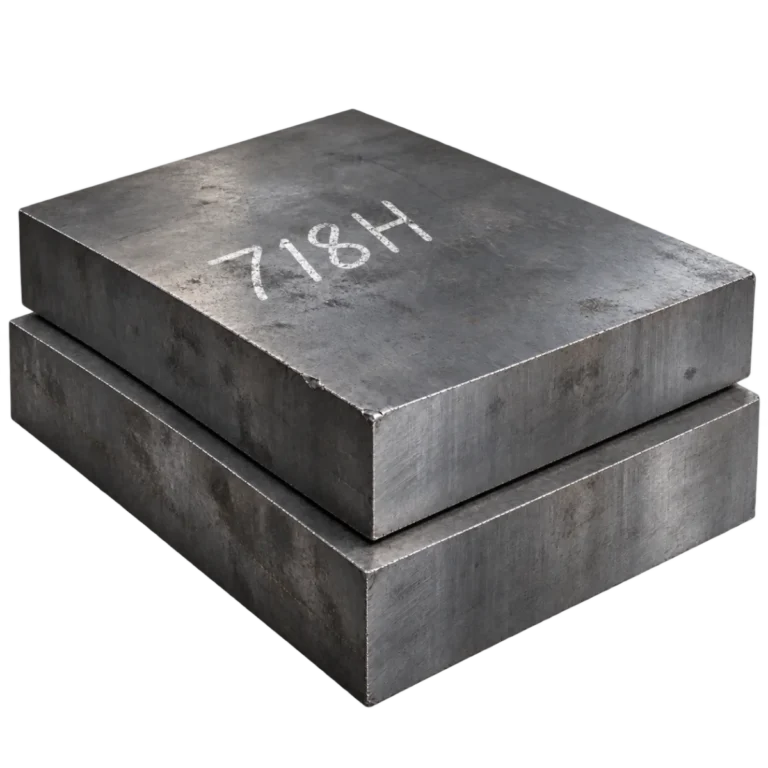
718H Mold Steel
Pre-hardened steel for appliance and housing molds that require polishing or texturing.
Confirm the supplier grade and delivery condition for the required mold size.
Get Material Advice →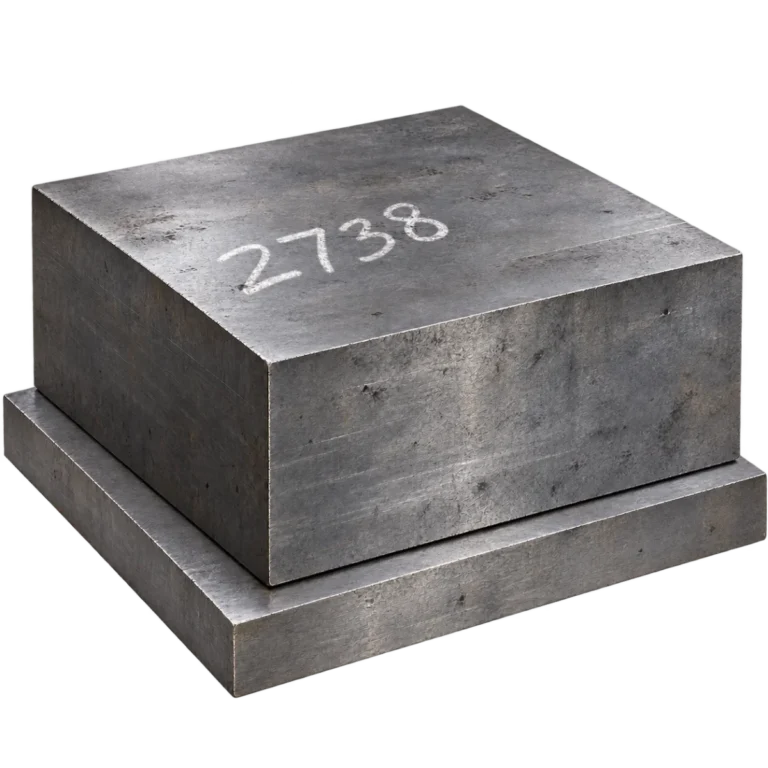
2738 Mold Steel
Nickel-alloyed, pre-hardened steel with uniform hardness through large sections.
Specify the steel supplier and delivery condition when comparing tooling quotes.
Get Material Advice →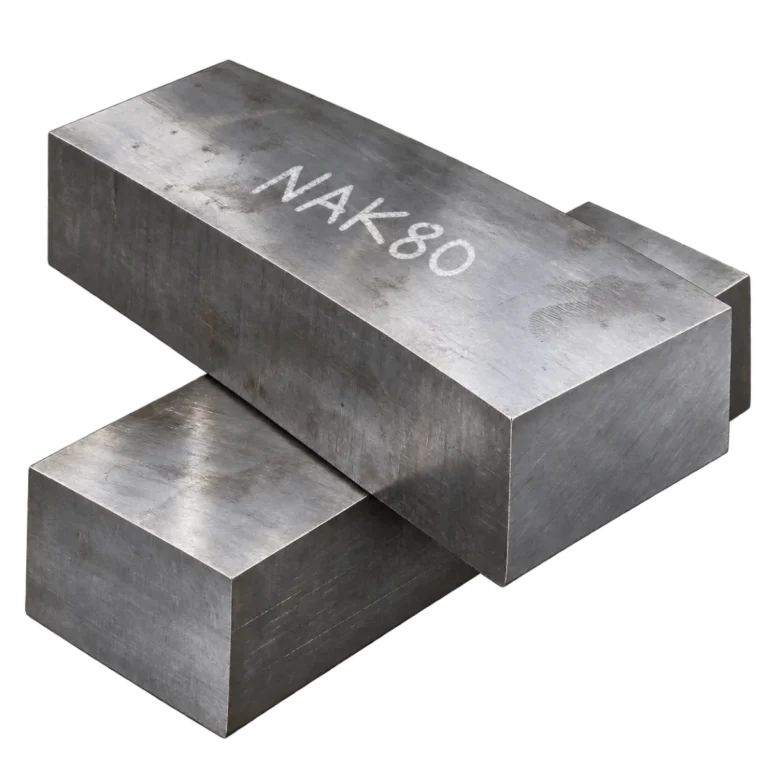
NAK80 Mold Steel
Pre-hardened steel with excellent polishability for high-gloss and clear plastic parts.
The final surface finish depends on polishing and molding conditions.
Get Material Advice →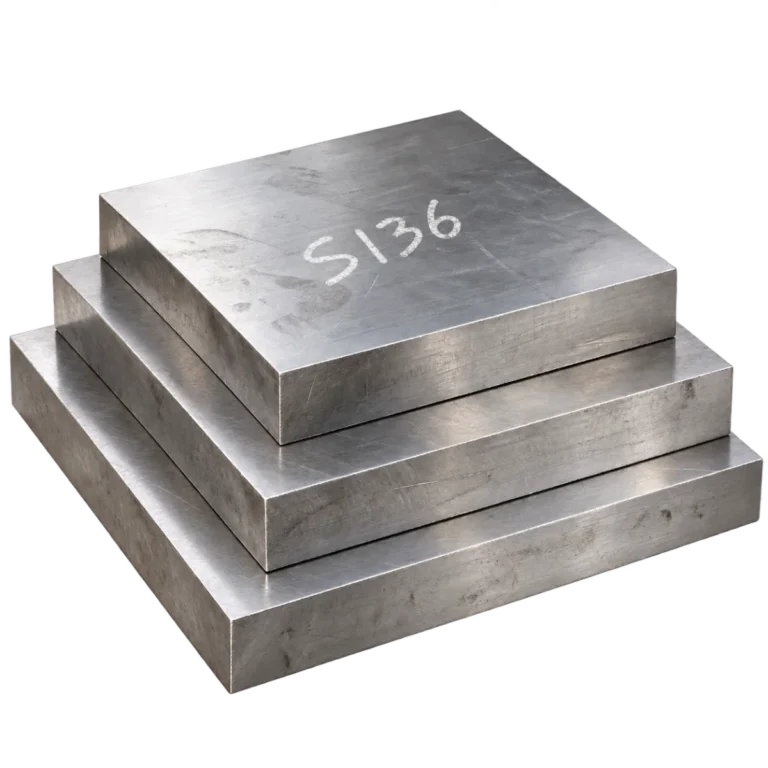
S136 Mold Steel
Corrosion-resistant mold steel with good polishability for demanding surface requirements.
Heat treatment and polishing are specified for the application.
Get Material Advice →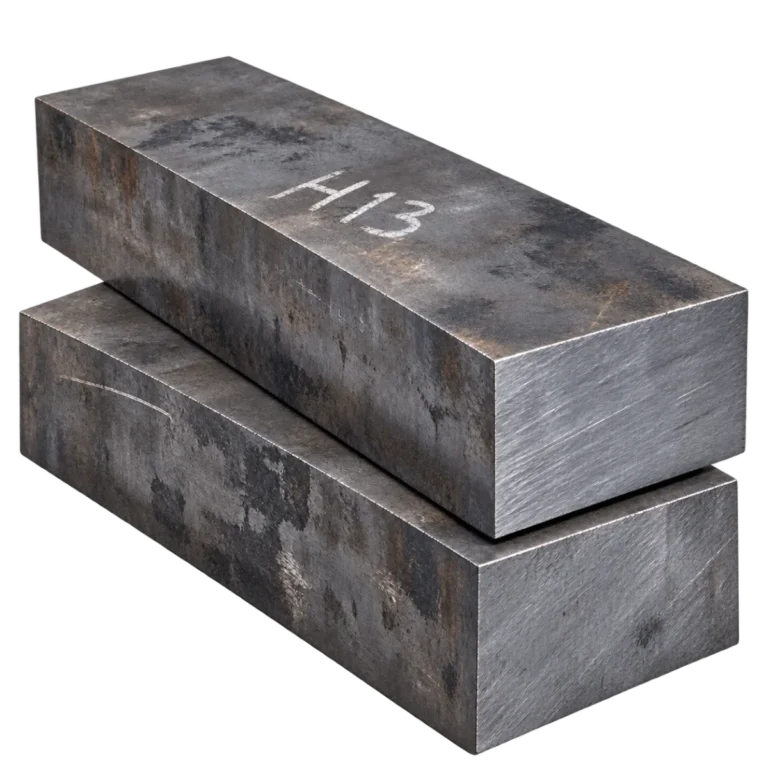
H13 Tool Steel
Hot-work tool steel used where toughness and resistance to thermal fatigue are needed.
Heat treatment is selected for the operating conditions.
Get Material Advice →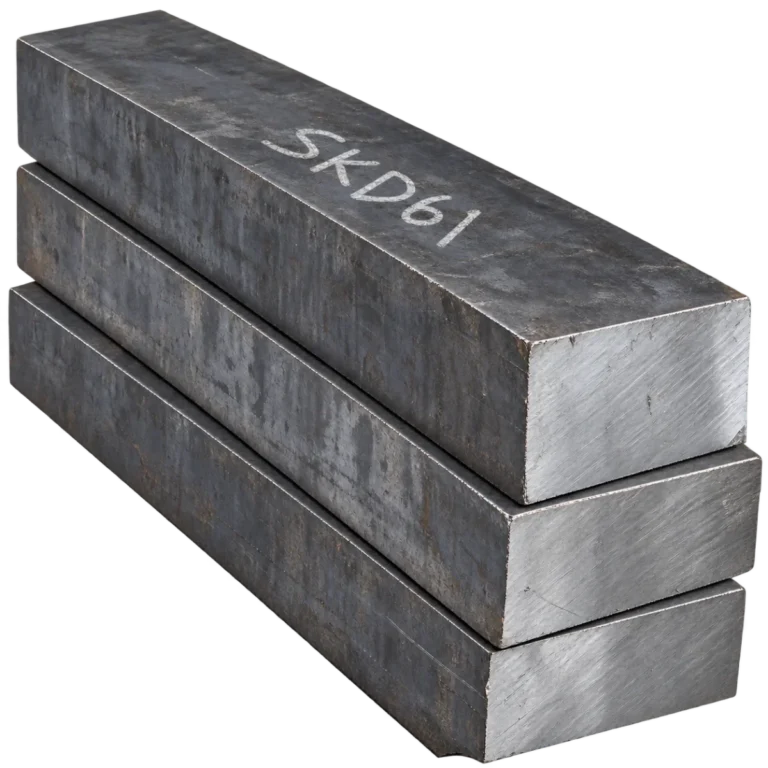
SKD61 Tool Steel
A JIS hot-work steel grade in the H13 family, used for mold cores and inserts.
Supplier quality and heat treatment matter; the grade name alone does not indicate higher performance.
Get Material Advice →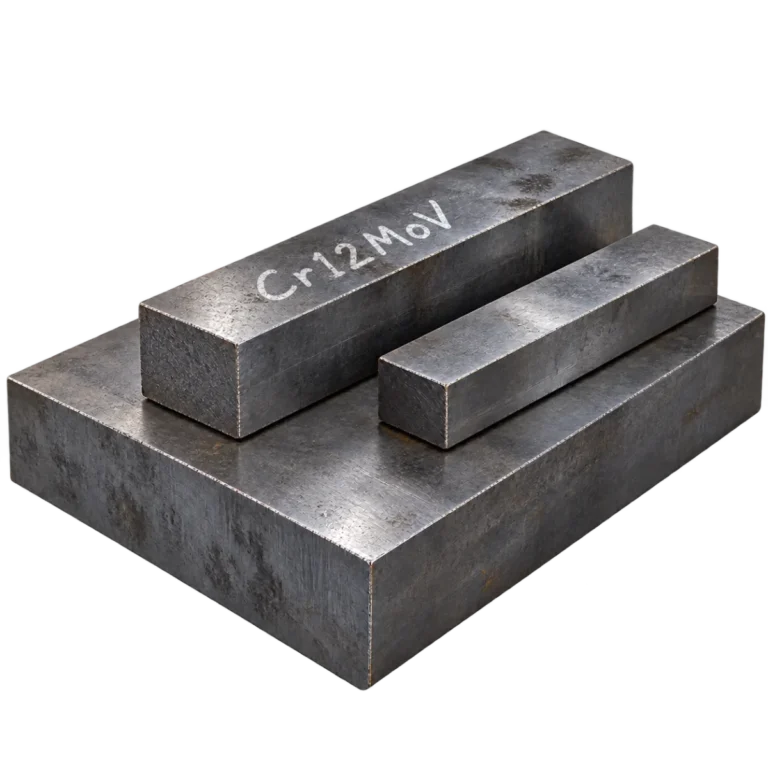
Cr12MoV Tool Steel
Wear-resistant cold-work tool steel used for dies, cutting tools and wear components.
Used for specific components rather than as a general-purpose cavity steel.
Get Material Advice →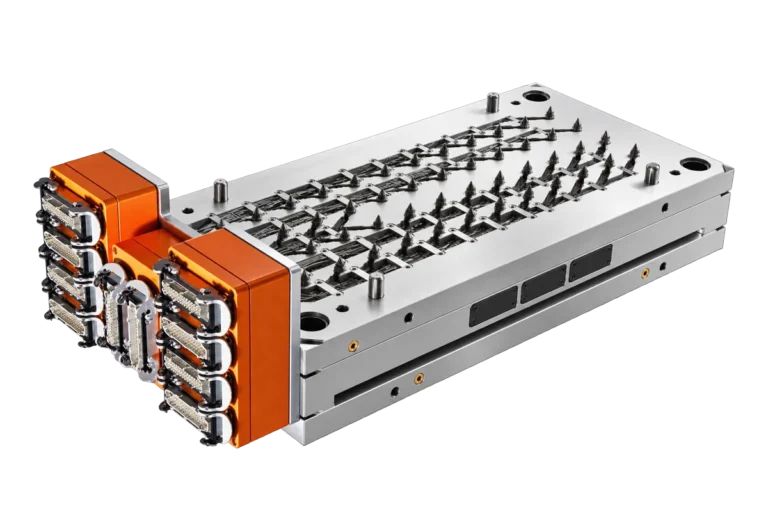
HASCO Mold Components
Standard mold bases, guide elements and ejector components for injection molds. HASCO also supplies hot runner systems.
The mold specification identifies the selected components and system.
Discuss Mold Specifications →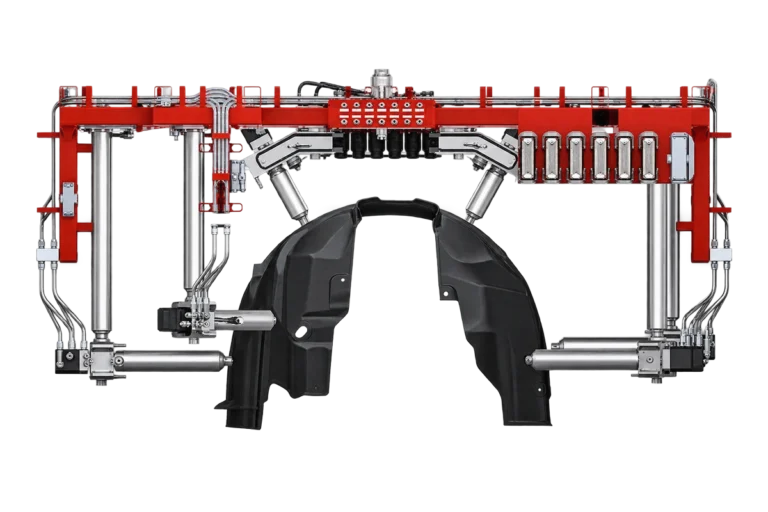
YUDO Hot Runner Systems
Hot runner systems for consumer products, appliance parts and automotive components.
Nozzle and gate options depend on the resin and part geometry.
Discuss Mold Specifications →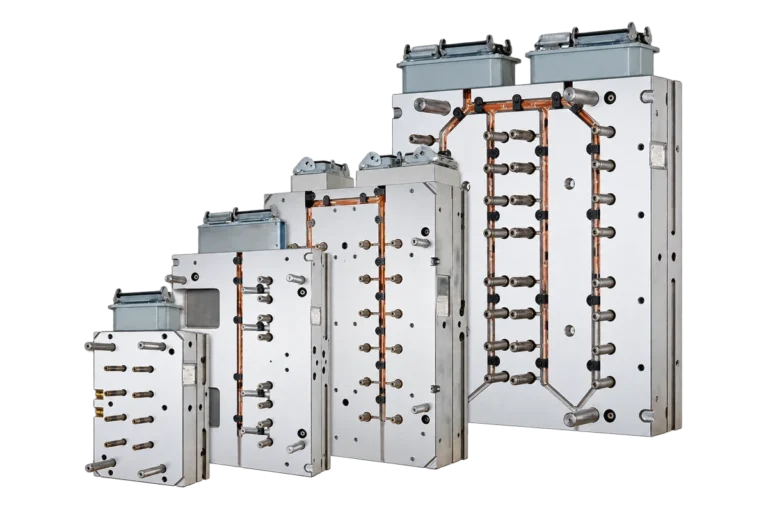
Mold-Masters Hot Runner Systems
Hot runner systems and temperature controllers for precision parts and multi-cavity molds.
Gate type and temperature control are selected for the resin and finish requirements.
Discuss Mold Specifications →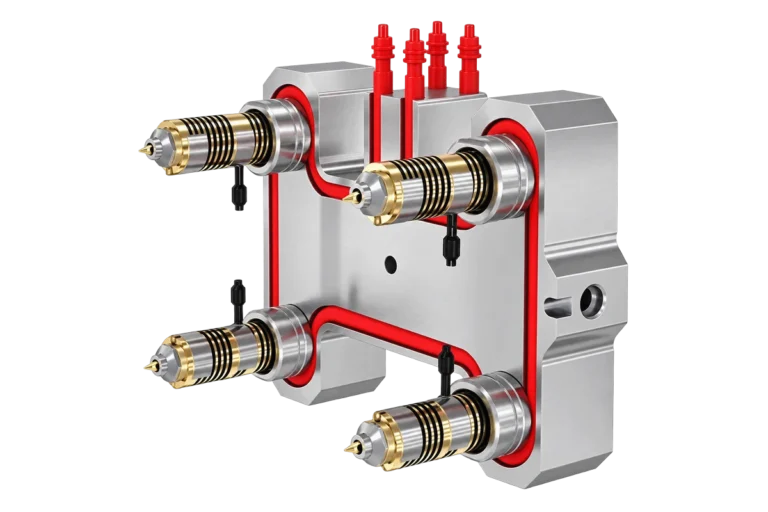
DME Mold Components
Mold bases, plates, ejector pins and other standard components. DME also supplies hot runners and controllers.
Component standards and hot runner requirements are confirmed in the mold specification.
Discuss Mold Specifications →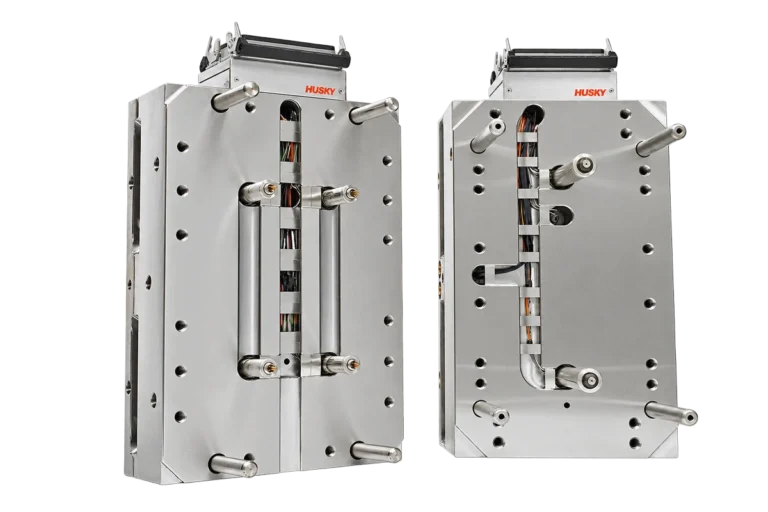
Husky Hot Runner Systems
Hot runner systems for packaging, medical components and multi-cavity injection molding.
The system is specified by resin, cavity layout and gate requirements.
Discuss Mold Specifications →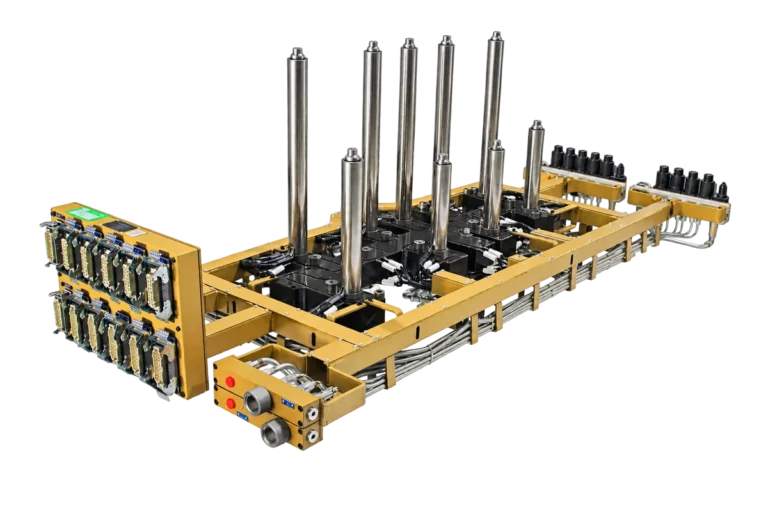
HTS iTherm Mold Inserts
Mold inserts with conformal cooling channels that follow the working surface.
Cooling channels are designed around the part geometry and mold layout.
Discuss Mold Specifications →Which In-Mold Decoration Process Fits Your Part?
Compare IML, IMR, and IMF based on your part shape, finish requirements, and production volume.
IML
In-Mold Labeling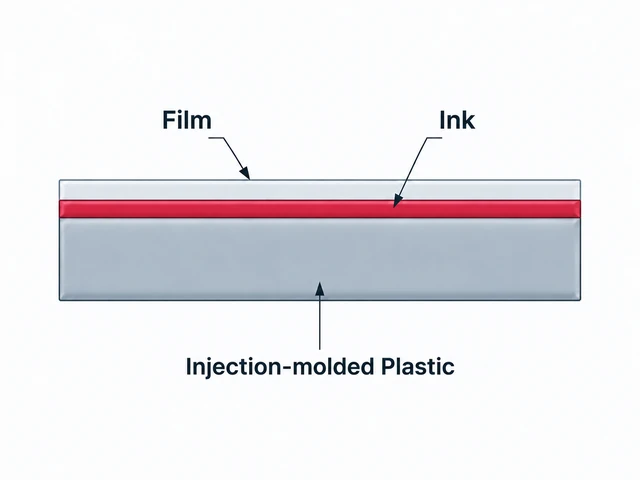
A printed label is placed in the mold before injection. It bonds to the plastic and remains on the finished part as the decorative surface.
IMR
In-Mold Transfer Decoration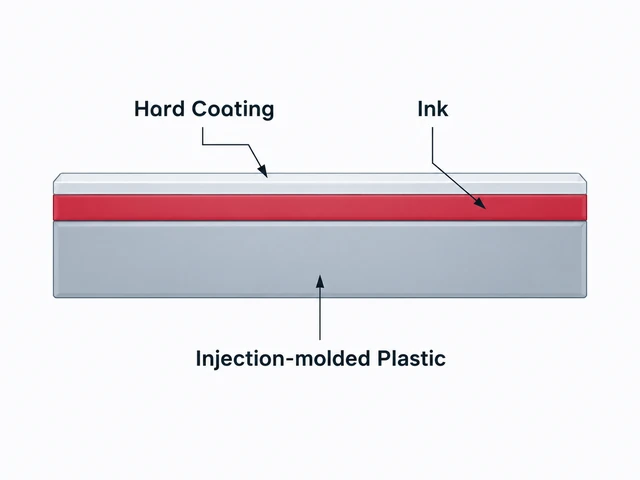
A carrier film feeds through the mold, transferring the decorative layers to the plastic during injection. The carrier film is then removed.
IMF
In-Mold Forming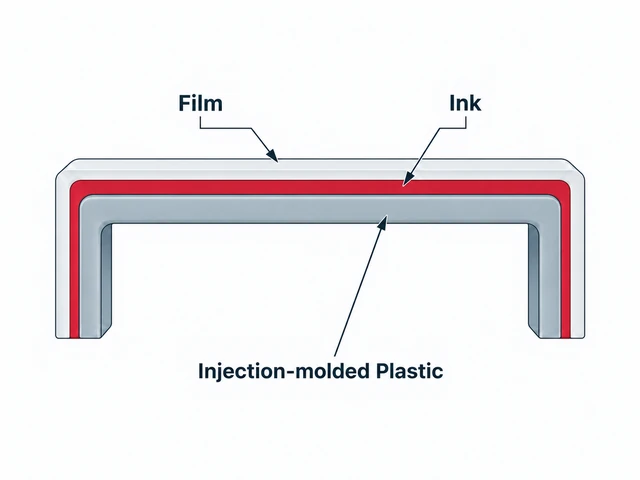
A printed film is preformed and trimmed before insertion into the mold. It bonds to the plastic during injection and remains on the finished part.
| Selection Factor | IML | IMR | IMF |
|---|---|---|---|
| Film on Finished Part | Label remains | Carrier film removed | Formed film remains |
| Shape Considerations | Label fit and placement | Film contact and transfer coverage | Forming depth, corner radii, and edge coverage |
| Process Requirements | Label cutting and positioning | Film feeding and registration | Film forming, trimming, and positioning |
| Main Cost Factors | Labels and placement | Transfer film, setup, and volume | Forming tools, trimming, and handling |
Scratch and chemical resistance depend on the film, ink, and protective coating. Confirm performance against your product’s test requirements.
How HM Manufacturing Builds Your Injection Mold Tooling
From your first CAD file to a validated, customer-owned tool, HM Manufacturing runs one connected mold-making process. One project team, our own mold shop in Taizhou, and clear checkpoints at DFM, design sign-off, steel and T1
/01
Share Part Design & Tooling Targets
Send 3D CAD and 2D drawings with your resin, annual volume, texture and tolerance targets. This fixes the cavity count, steel grade and mold class before any quote
/02
Mold DFM Review & Tooling Quote
Eight in-house designers run DFM and Moldflow on parting line, gates, cooling, ejection and shrinkage. You get a mold quote with cavity layout, steel and lead time within one business day
Enclosure Housing
Mold DFM review in progress
Within 1 business dayHM
/03
Mold Design Sign-Off
We issue the full 3D and 2D mold design — mold base, hot runner, slides and lifters, cooling and venting. No steel is cut until you approve the DFM report and design
Mold Design Review
/04
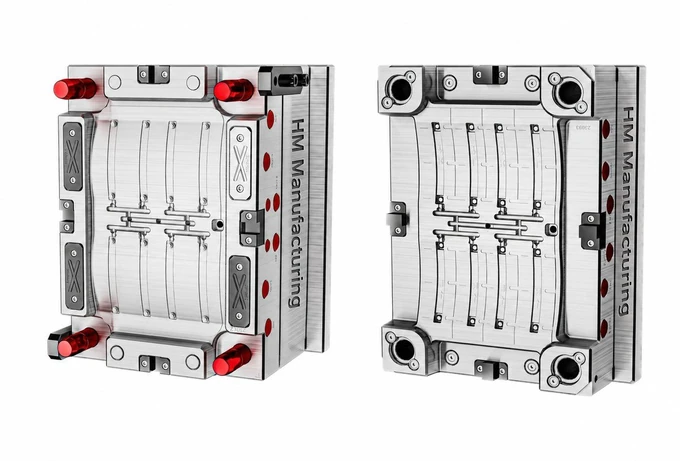
Steel Machining & Mold Build
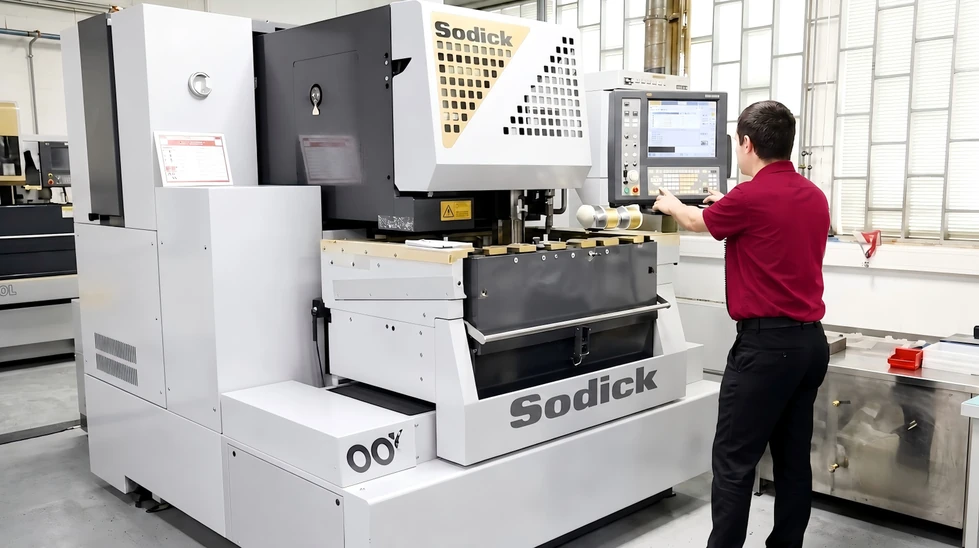
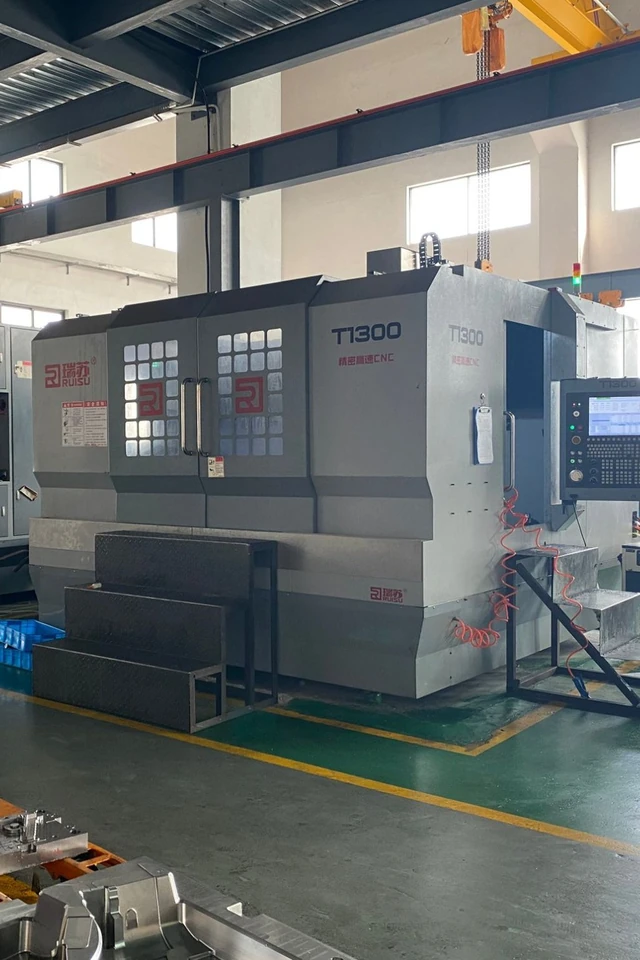
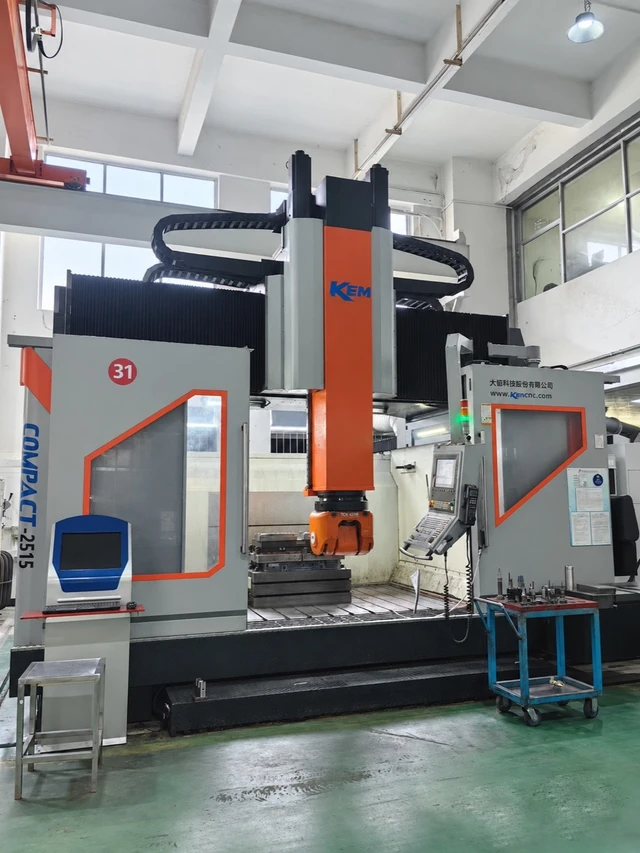
Cores and cavities are cut on CNC, EDM, wire-EDM and grinding machines on HASCO / DME bases with Yudo, Mold-Masters or Husky hot runners, then bench-fitted by our own toolmakers
/05
Fitting, T1 Trial & Sampling
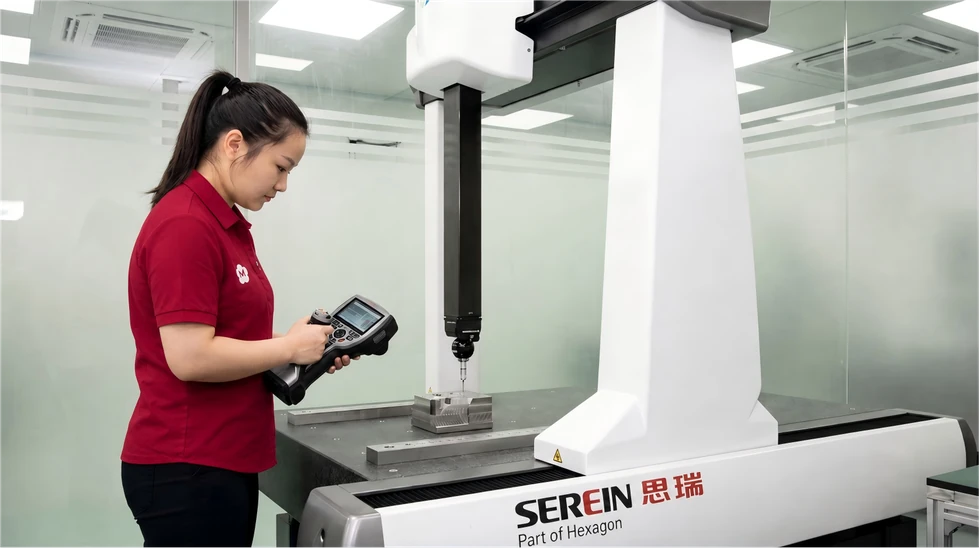
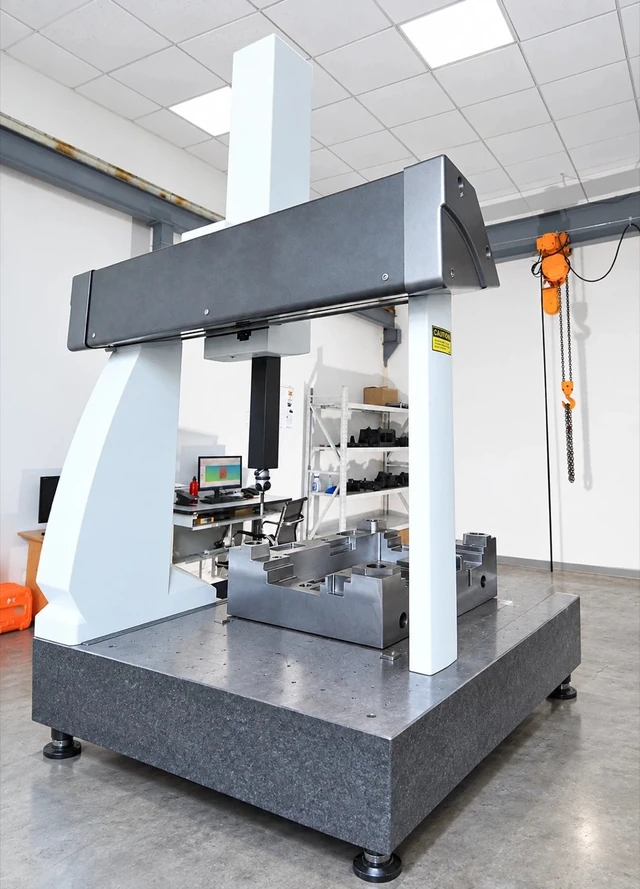
The mold is trialed on our presses, first shots are CMM-measured and you receive T1 samples with a dimensional report. Corrections are closed before the tool is released
T1 Sample Report
/06
Texturing, Validation & Handover
After sample approval we apply the agreed VDI / Mold-Tech texture, tune the process, and hand over a customer-owned tool with steel certificates, the mold drawing set and a maintenance schedule
Injection Mold Tooling Quality Control & Compliance
Advanced Inspection Equipment
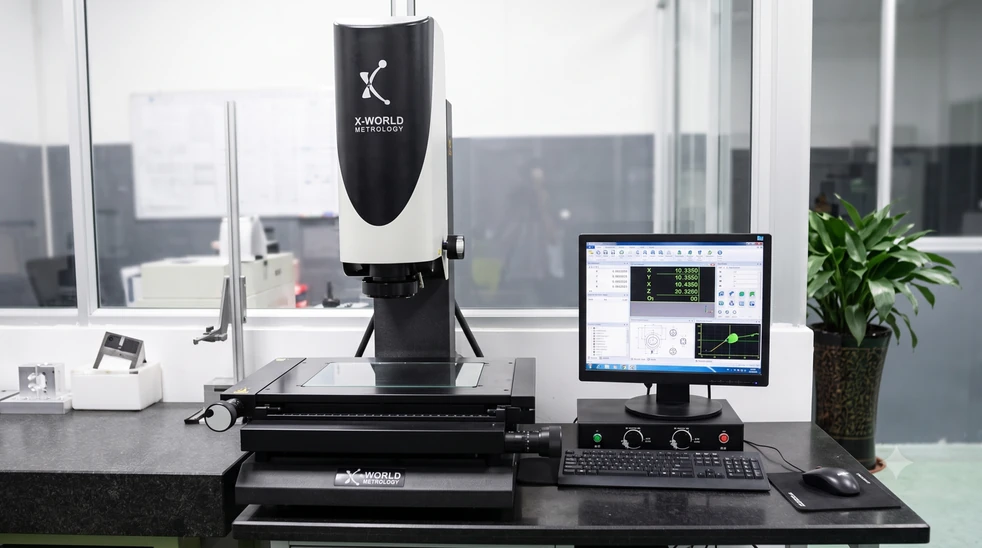
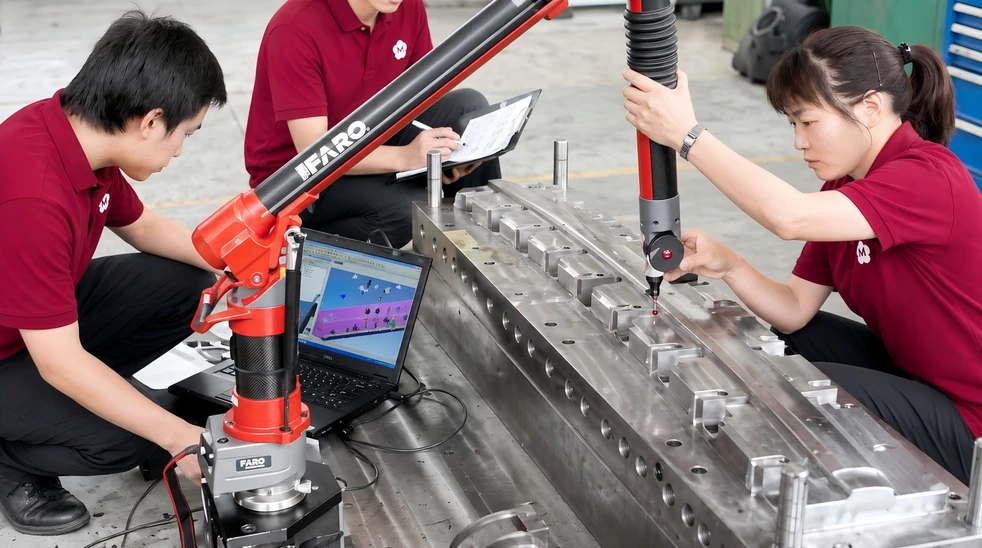
We use CMM, video measuring systems, portable measuring arms, height gauges, micrometers, calipers, surface-roughness testers and hardness testers to verify cavity and core dimensions, insert positions, steel grade and hardness, and surface finish — holding cavity tolerances within ±0.02 mm and molded-part tolerances at 0.03 to 0.05 mm
Mold Trial & Inspection Documentation
Trial stages and acceptance criteria are agreed for each tooling project. The documentation package can include T1 sample measurements, first article inspection (FAI), steel and material certificates, mold drawings and pre-shipment inspection records. Flow studies, hot-runner documentation and RoHS or REACH reports are provided where applicable and included in the agreed scope
Certified Manufacturing Partner
HM Manufacturing operates under ISO 9001, IATF 16949, ISO 14001 and BSCI certifications. For food-contact projects, we confirm the resin, intended use, market requirements and applicable LFGB or FDA documentation during review. Product compliance depends on the agreed material and testing scope
At HM Manufacturing, tooling quality is controlled from the mold design stage. A DFM review settles wall thickness, gate location and shrinkage before any steel is cut, and every mold is checked against a written acceptance plan at design, first-off and trial. Cavity dimensions are held within ±0.02 mm and molded parts within 0.03 to 0.05 mm, under ISO 9001 and IATF 16949 certified processes. More than 70% of our clients choose to work with us again
Injection Mold Tooling Project Examples
Five representative molds we build, from mirror-polished optical cavities and radial-slide impeller tools to watertight enclosure sets, large automotive tools and precision gear cavities
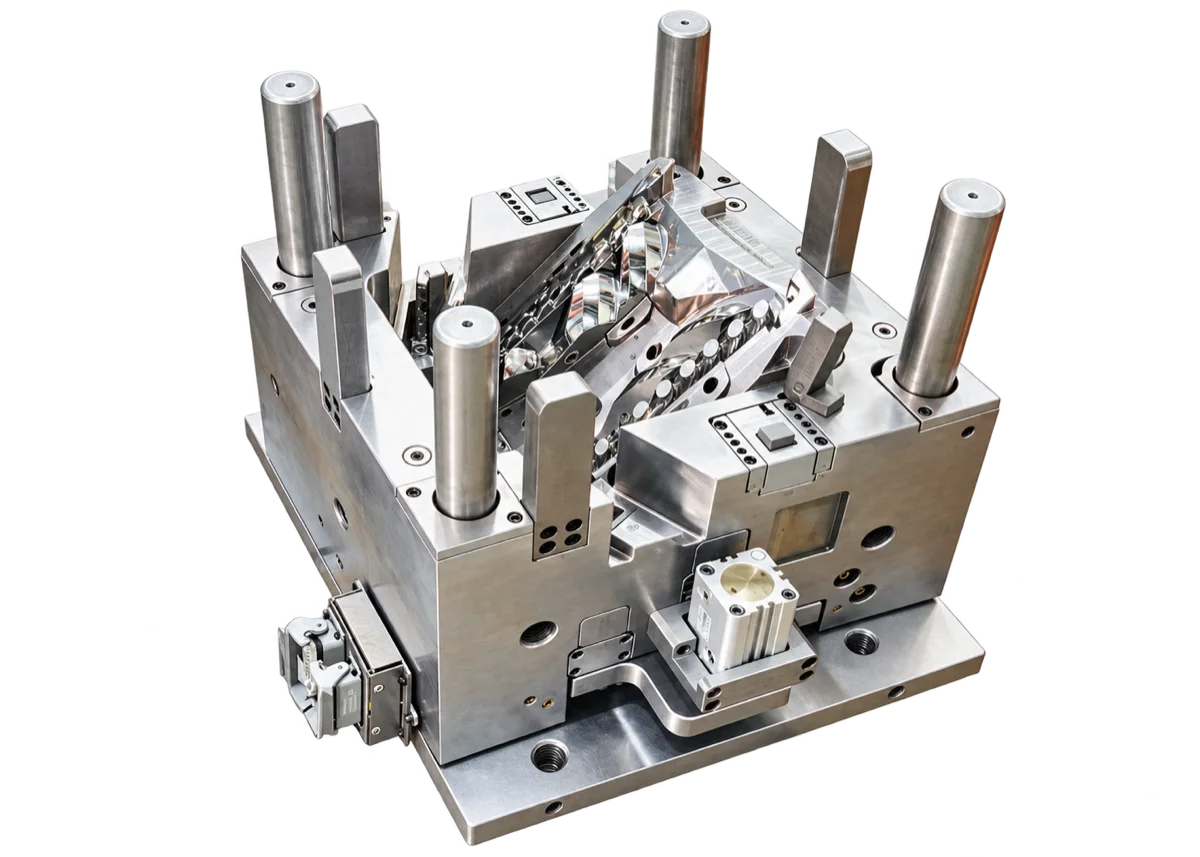
Optical Lens Mold: Mirror-Polished Cavities for Haze-Free Clear Parts
Built for clear lighting lenses and light guides. The mold uses hardened stainless cavity steel polished to a mirror finish, a cosmetic gate placed off the optical area, generous venting and tightly balanced cooling, so every shot comes out free of flow lines, bubbles and haze
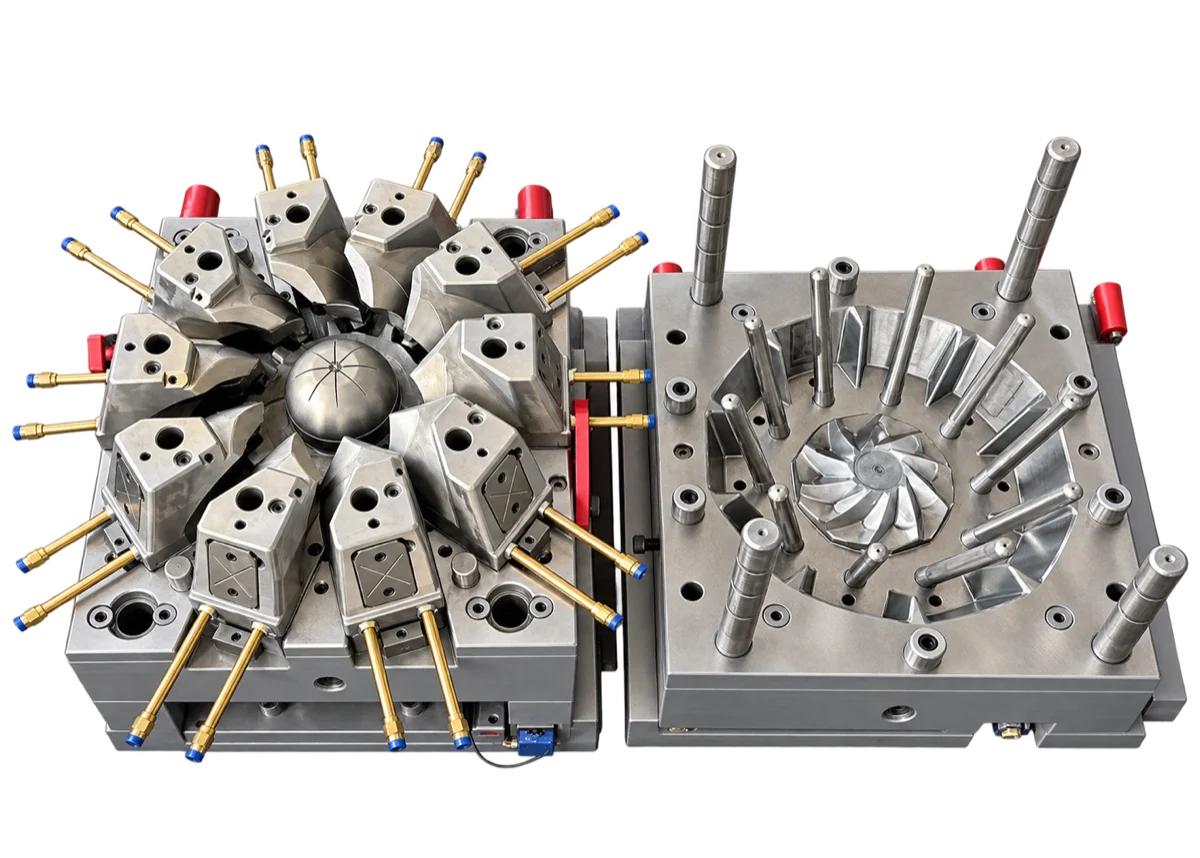
Impeller Mold: Radial Slides for Twisted-Blade Undercuts
Built for a pump and fan impeller with twisted blades. A ring of radial slides, one per blade gap, forms each blade surface and pulls back in sequence before ejection, so the blades release without drag marks or distortion. Every slide is fitted and proven on the press at the first trial
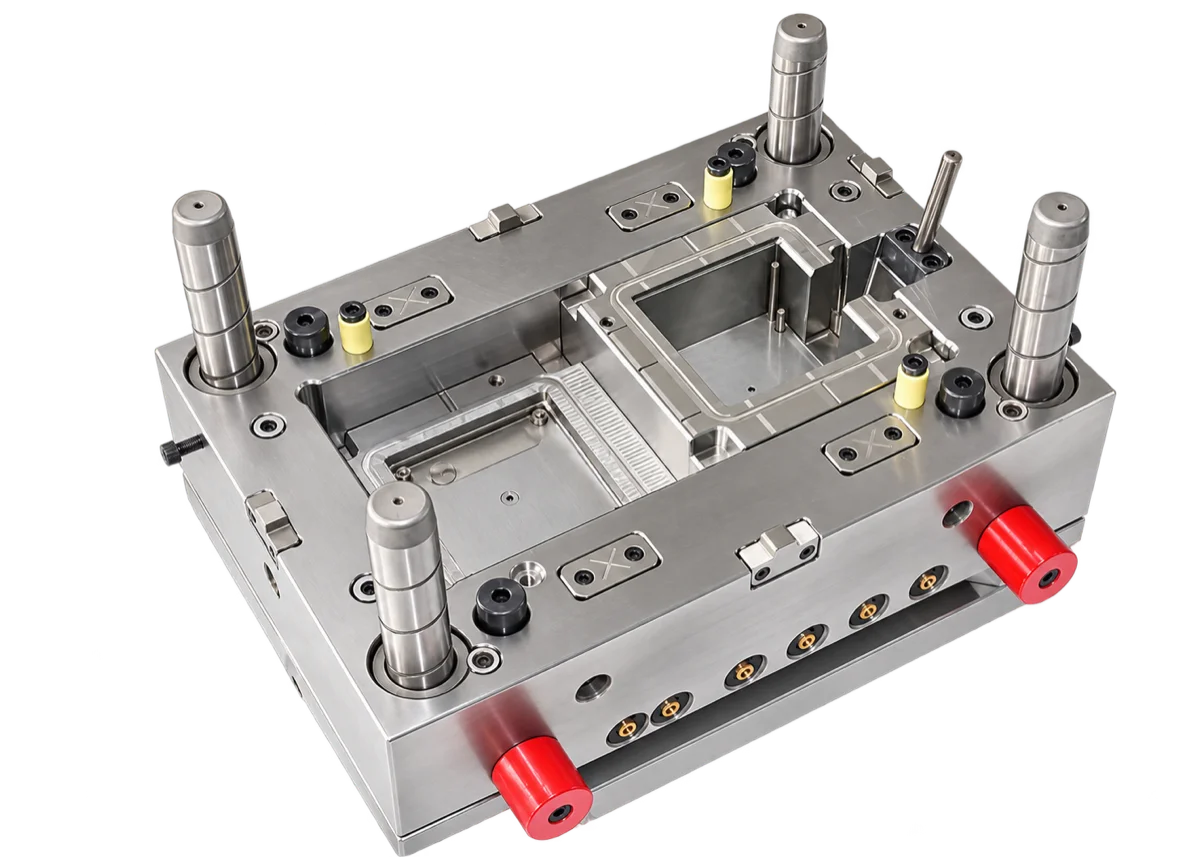
IP66 Enclosure Mold Set: Matched Base and Lid Molds for a Watertight Seal
Built for an outdoor junction box. A matched pair of molds produces the base and lid, with the gasket groove, screw bosses and sealing faces cut and fitted together so the assembled box seals to IP66, verified on T1 samples before release
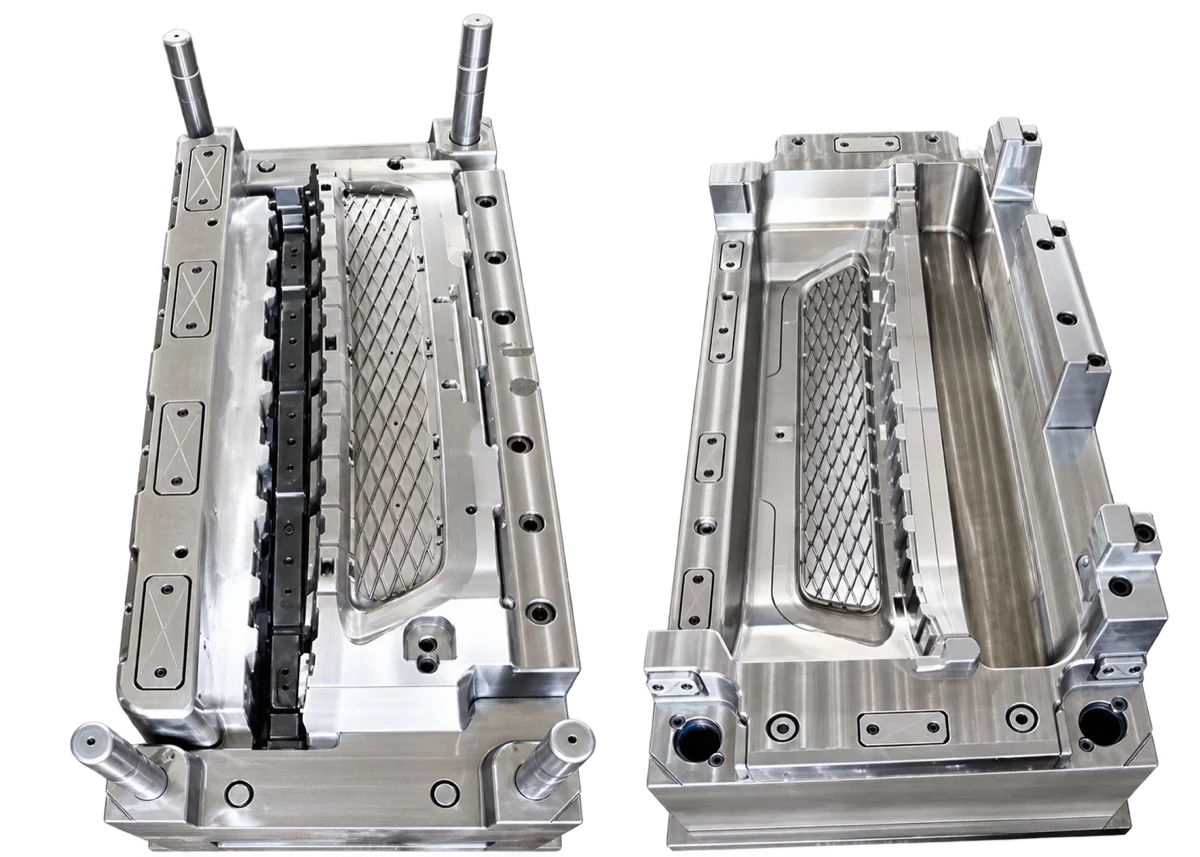
Automotive Trim Mold: Large-Format Tool for Interior Panels
Built for a large interior trim panel. The mold is sized for a high-tonnage press, with sequential gating along the part, conformal cooling zones to control distortion and fit checks on a checking fixture, documented for the customer’s PPAP
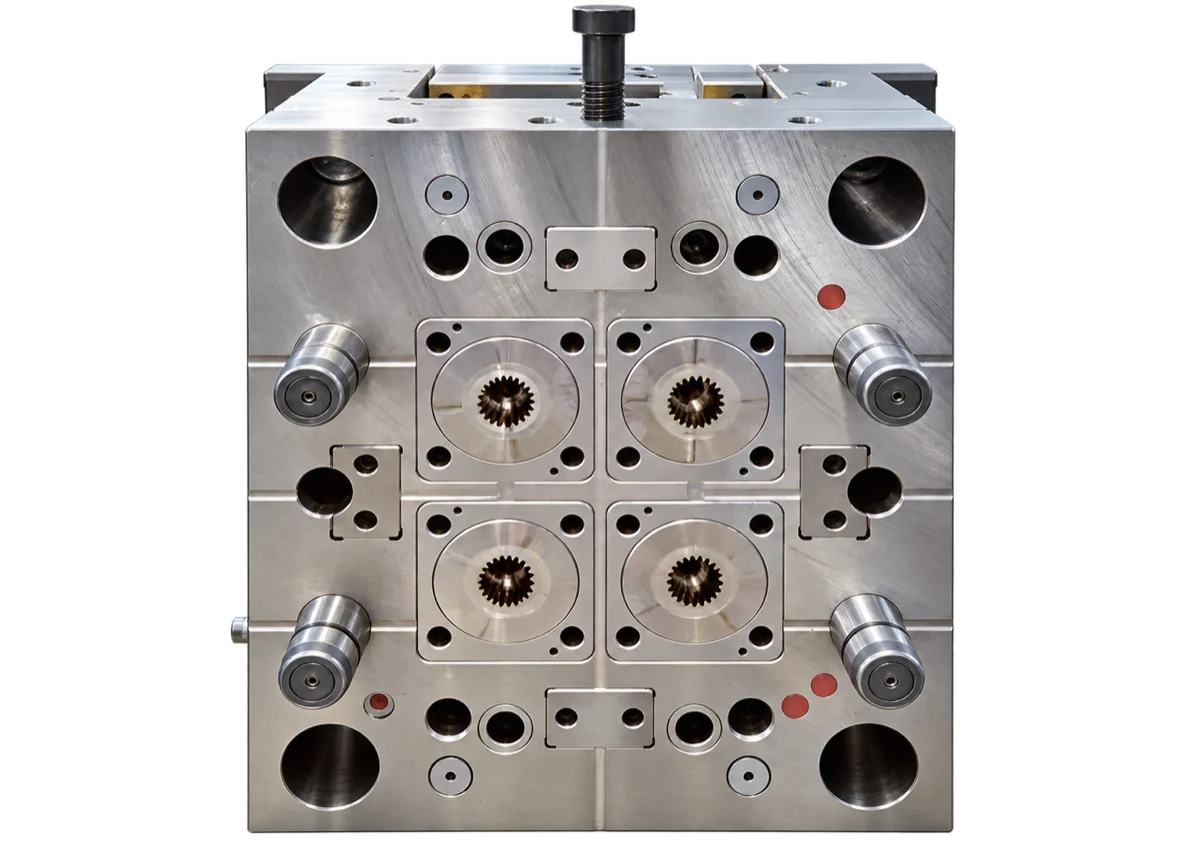
Precision Gear Mold: Compensated Tooth Cavities for Consistent Mesh
Built for molded plastic drive gears. Tooth cavities are cut with shrinkage-compensated profiles, the gate is centered for even fill around the gear and every cavity is checked for tooth profile and runout on sample gears before release
Your Contract Manufacturing Partner in China, 3D-Printed Samples in as Fast as 3 Days
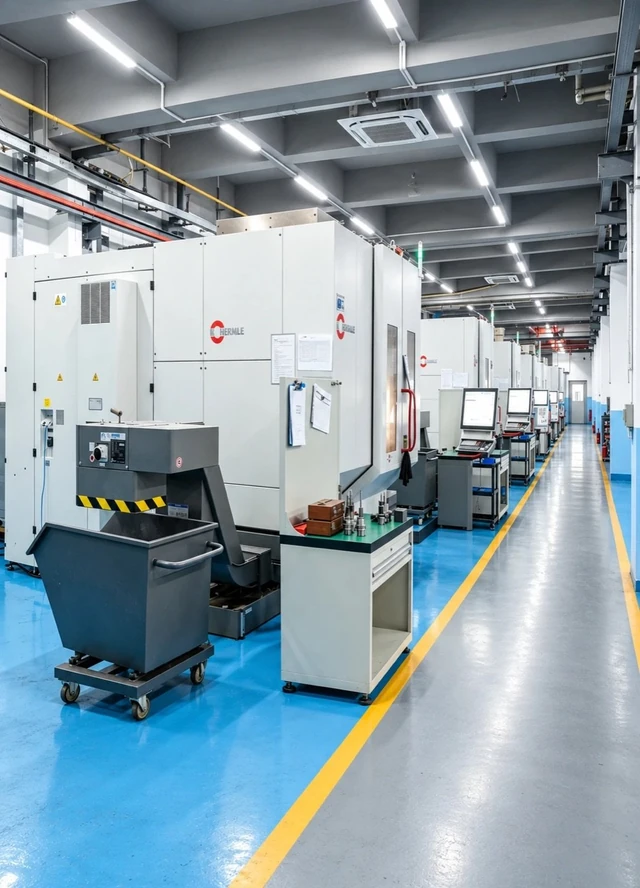
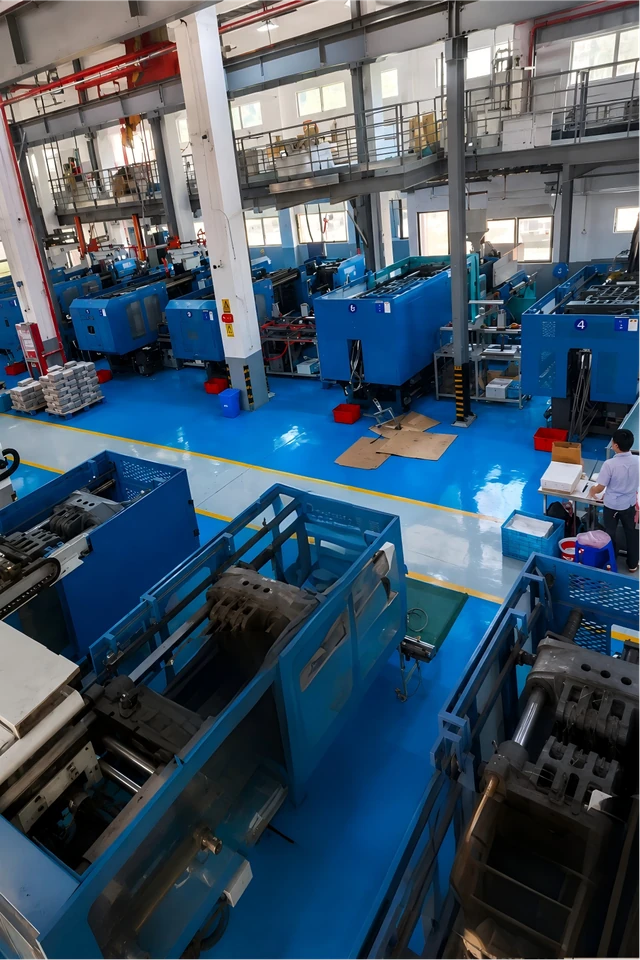
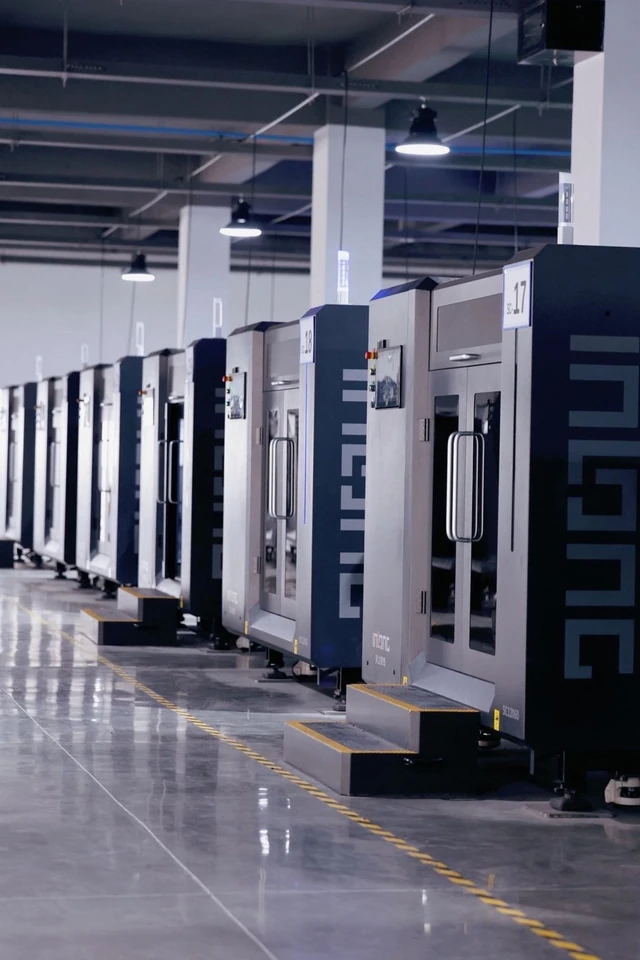
HM Manufacturing is headquartered in Taizhou, China, with mold making and injection molding run in our own factory and backed by a vetted network of 500+ partner factories across China, delivering high-quality, on-demand manufacturing for custom plastic parts. As your strategic partner, we ship to North America, Europe and beyond, with 3D-printed samples ready in as fast as 3 days. Our English-speaking project team keeps communication clear across time zones, so your production stays efficient, reliable and on schedule
Injection Mold Design, Trial and Troubleshooting Guides
Practical guides to draft angles, mold trials and molding defects, to help you review tooling requirements before production
What Causes Flash in Injection Molded Parts
Flash is a common defect in injection molding. It is also called burrs or flashing, and usually appears as thin excess plastic along part ed
Read the guide →
Why Do Injection Molded Parts Need Draft Angles
In injection molded part design and mold design, draft angle is a small but very important detail. Many products look fine during the design
Read the guide →
What Should Be Checked During an Injection Mold Trial
After an injection mold is completed, mold trial is a very important step. A mold trial is not only about making a few samples. More importa
Read the guide →